The Three Things I Told the Prime Minister
In 2015, then Prime Minister Malcolm Turnbull asked me a question.
He said:
Chris… what are three things we can do to make a difference in the First Nations policy space?
I took some time to think about it.
Then I said:
- Acknowledge our humanity and our capacity to be exceptional.
- Bring policy approaches that nurture hope rather than entrench despair.
- Do things with us, not to us.
Those words are easy enough to understand.
Giving effect to them is where the real work begins.
For almost 35 years, I have watched how First Nations policy and programs are designed and delivered in this country.
I have seen it from:
- community and grassroots perspectives
- academic and intellectual perspectives
- briefing ministers directly, sitting in cabinet rooms, and leading government departments
Across all of these experiences, I have become convinced of something very simple:
Policy cannot succeed where relationships fail.
Too often, we approach First Nations policy through:
- crisis
- dysfunction
- urgency
- compliance
We measure problems extensively while spending far less time understanding human potential, aspiration, trust, pride and hope.
Eventually, people stop feeling engaged in policy and start feeling subjected to it.
And when people experience policy that way for long enough, institutions lose trust, and good people working inside systems become frustrated that effort is not translating into meaningful change.
But I have also seen something very different.
I have seen:
- schools transformed
- communities rebuild confidence
- young people begin to believe in themselves again
- organisations change their culture
All of this happens when people are approached through:
High-Expectations Relationships and a genuine belief in their humanity and capability.
None of this work happens accidentally.
It requires leaders who are prepared to think deeply about:
- how policy is designed
- how relationships are built
- how people experience both
Many of us work in what we call the policy and program space.
Very few of us are given the opportunity to stop and seriously examine the assumptions driving our work.
We need to ask:
- Why do some approaches create trust while others create disengagement?
- Why do some policies strengthen agency while others unintentionally weaken it?
- Why do some communities experience institutions as places of possibility, while others experience distance, mistrust, and disengagement?
These questions matter because:
Policy shapes how people experience institutions, opportunity, and their own sense of possibility.
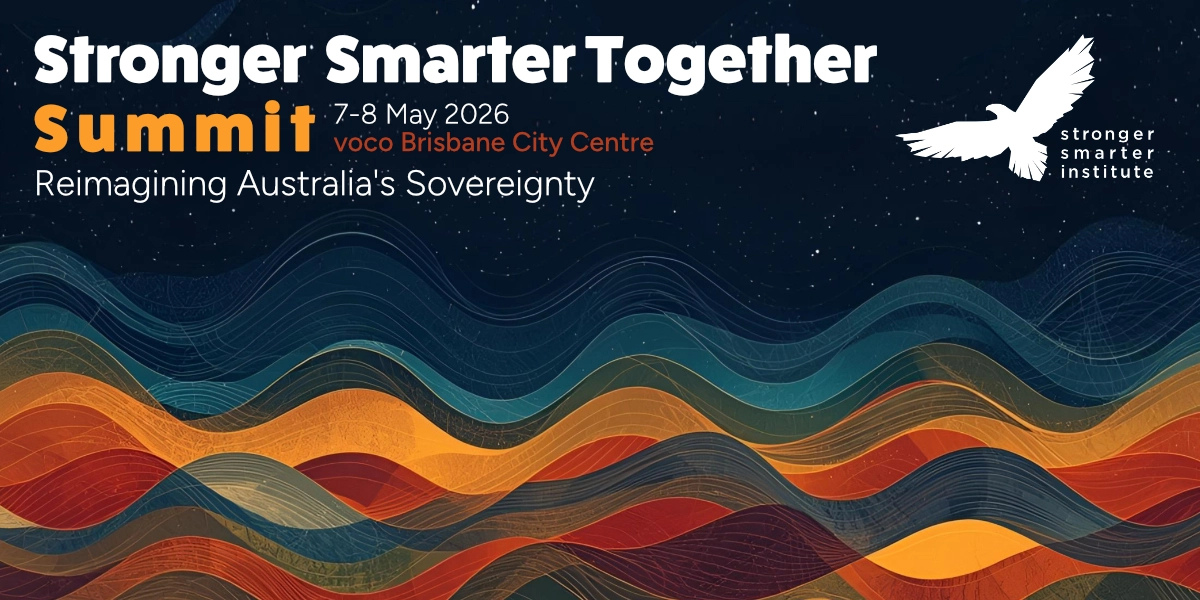
This is the work we will examine together through the Stronger Smarter Policy Design Intensive.
I will share practical tools, leadership insights, and lessons drawn from decades of experience across community leadership, government, education, and institutional reform.
Participants will leave with practical tools, deeper insight, and a clearer understanding of how policy can strengthen trust, hope, and human capability.
Because in the end:
The quality of our policy is revealed in whether people experience hope, agency, dignity, and genuine partnership.
Explore and enrol: