Identity and Relationships at Gunya Meta
Gunya Meta is a non-profit Aboriginal and Torres Strait Islander organisation employing local Indigenous staff. They partner with community, students, parents, carers, schools ad local organisations. One of their aims is to support improved educational outcomes for Indigenous children.
CEO Aunty Faith Green attended one of the early Stronger Smarter Leadership Programs in 2008. Since 2019, a number of staff from Gunya Meta have attended the program.
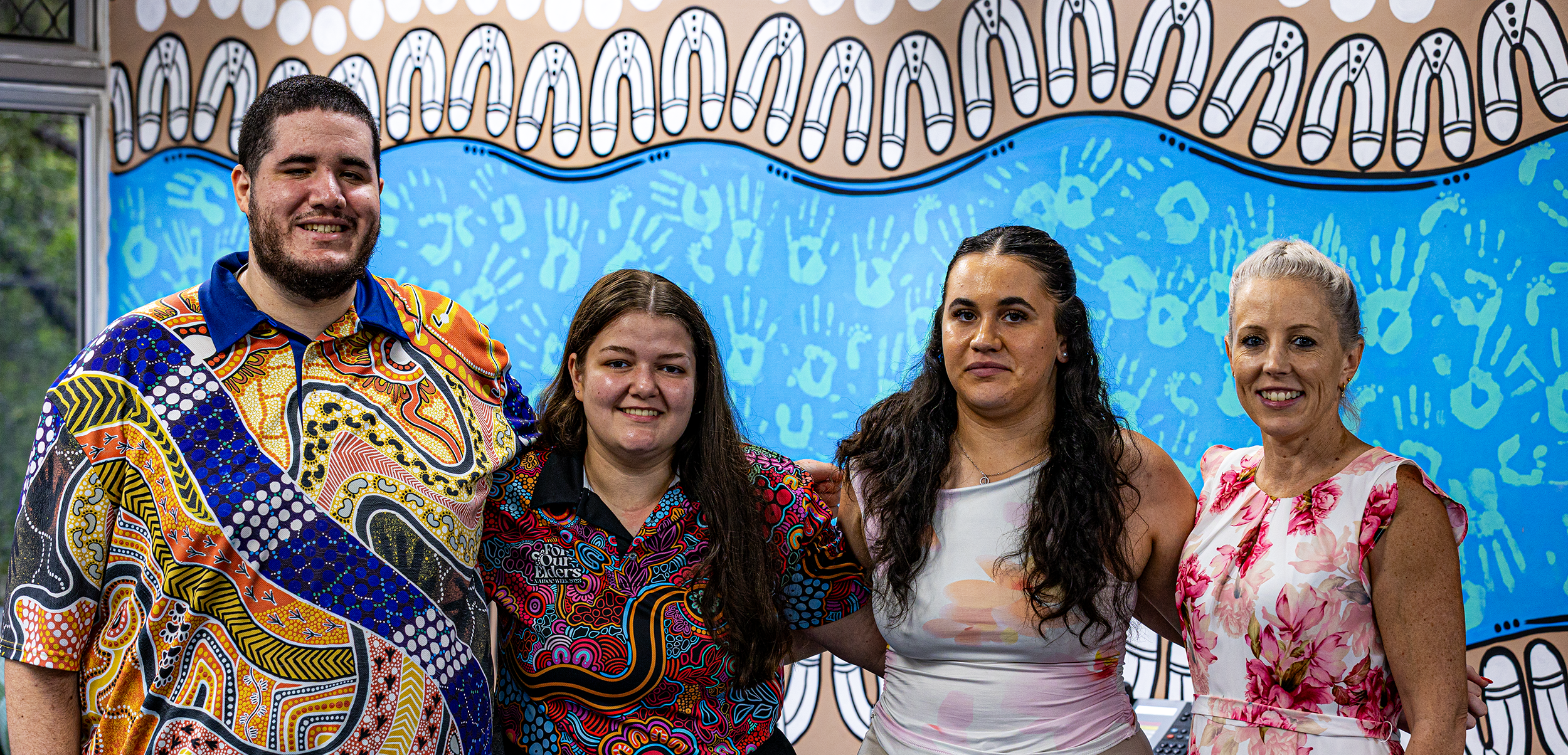
In 2025, we spoke to Education Mentor, Trevor Green shortly after he had completed the Stronger Smarter Leadership Program, and Community Partnership Officer, Janzell Bartlett and Community Research Officer Kodie Tunley who completed the program in 2024.
Building relationships
Trevor Green, together with Gunya Meta staff, works across schools in the Logan area south of Brisbane to teach students about culture and heritage, as well as providing mentoring support.
Trevor says that one of the things he took from the Stronger Smarter Leadership Program was to keep things simple and work on the things that are possible to change. He decided that something he was able to incorporate straight away into his work was on building relationships and ensuring a safe space for students.
“We took some of the learning that we did out of Stronger Smarter and looked at how we could better engage our students and get them talking more,” he says. “It’s just trying to make that relationship stronger and getting them to open up a little bit more, expanding on their questions rather than just yes or no answers”.
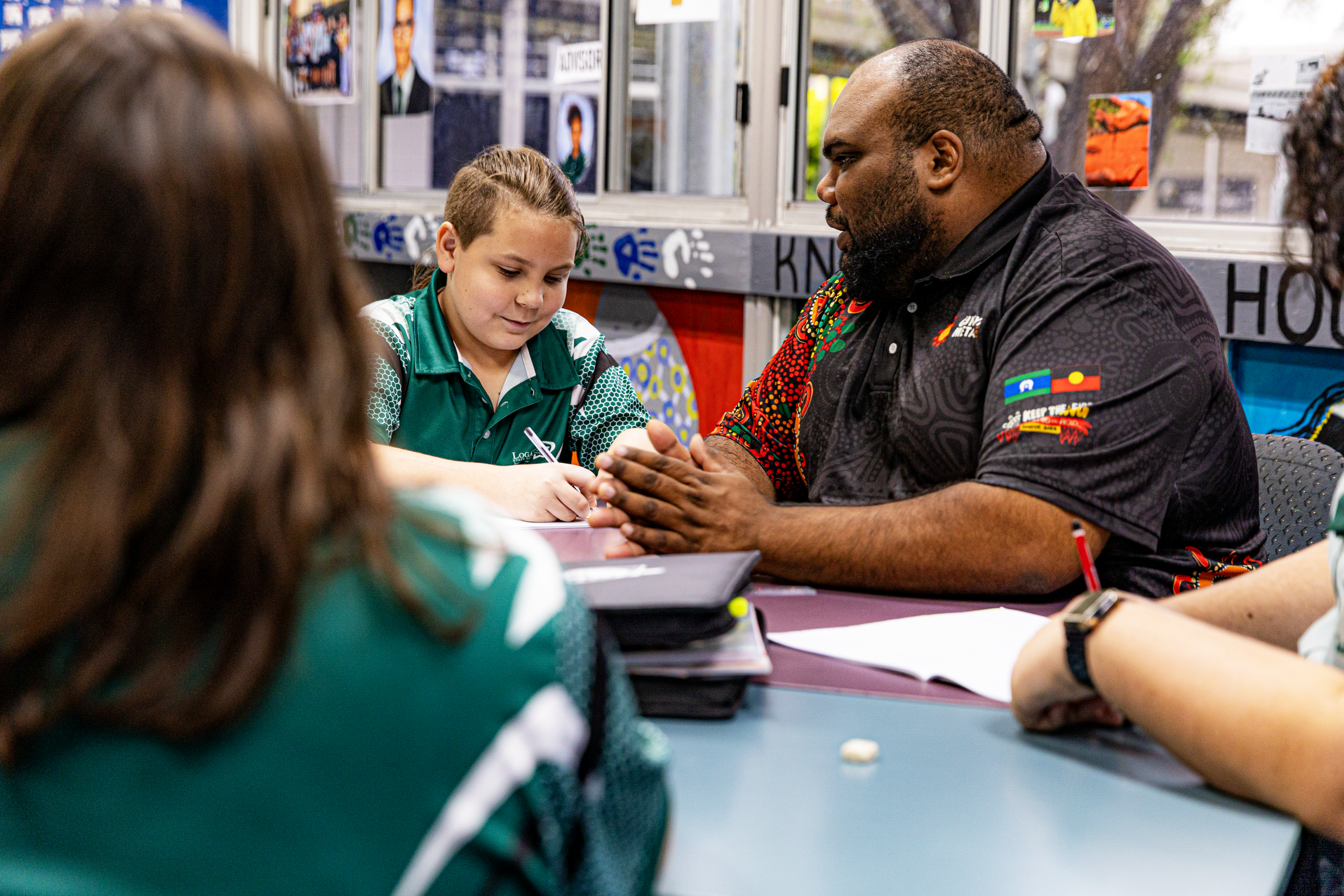
Trevor explains that a part of this is being aware of body language and making sure they are fully engaged in listening to students.
“Also being aware of our body language to the kids. Opening up for them to make them feel more safe to verbalise their answers and make them not feel shy about it. Getting them to understand that we are fully engaged in what they are saying. It’s not just the one way street,” he says.
I think also at the training that got me in a better space of thinking that there’s other ways of doing things and there’s other ways of looking at it. So both professionally and personally the training definitely encouraged me and helped me out with a few personal issues and a little bit of work issues as well.
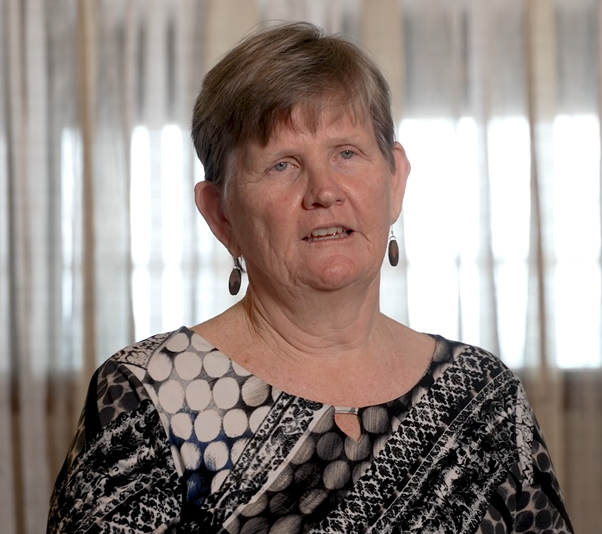
Trevor Green, Education Mentor
Strength-based language
Janzell says that one of the ways she has weaved the Stronger Smarter Approach through her work in schools is to make sure everything is strength-based. “When we’re working with our young ones, we’re always taking that step back and looking at the whole picture so there’s never that deficit. It’s always strength based,” she says. “We want them to have those high expectations so everything that we do always comes from that strength side.”
Janzell explains that it is important for the students to have the strong understanding of their role in family and community. “We’d like to instil in them to be warriors. We want them to be strong in culture. We want them to have strong identity, strong beliefs and have that cultural knowledge as well so that’s how they are strong in themselves.”
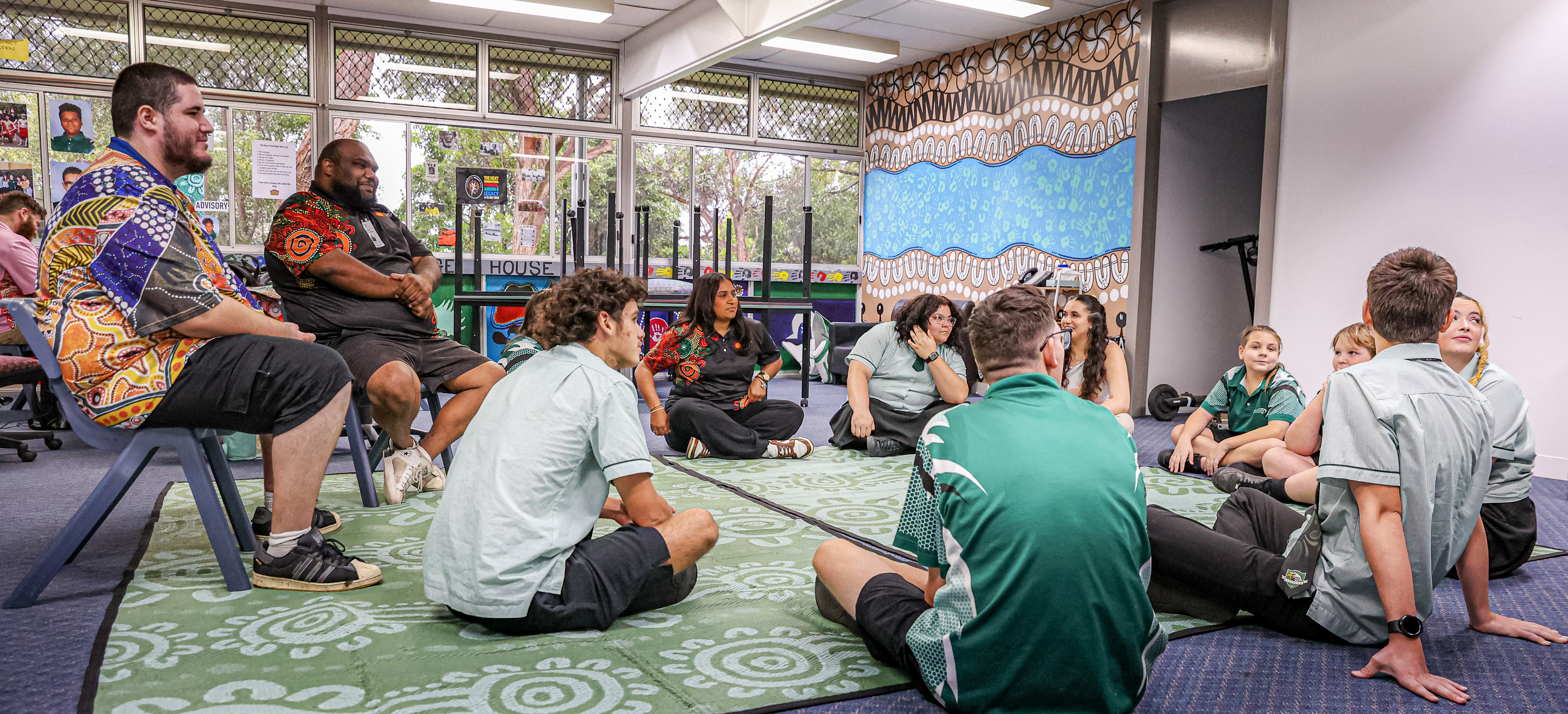
They use the Circle to set up the space with groups. “It sets those expectations for that space and everyone in there to be safe and know exactly what’s going to happen,” Janzell says. “They know how everyone’s going to be treated. They know how they’re going to feel and then when things don’t go to plan, obviously being young ones they can get a bit rowdy, they actually start to remind each other which is really amazing.”
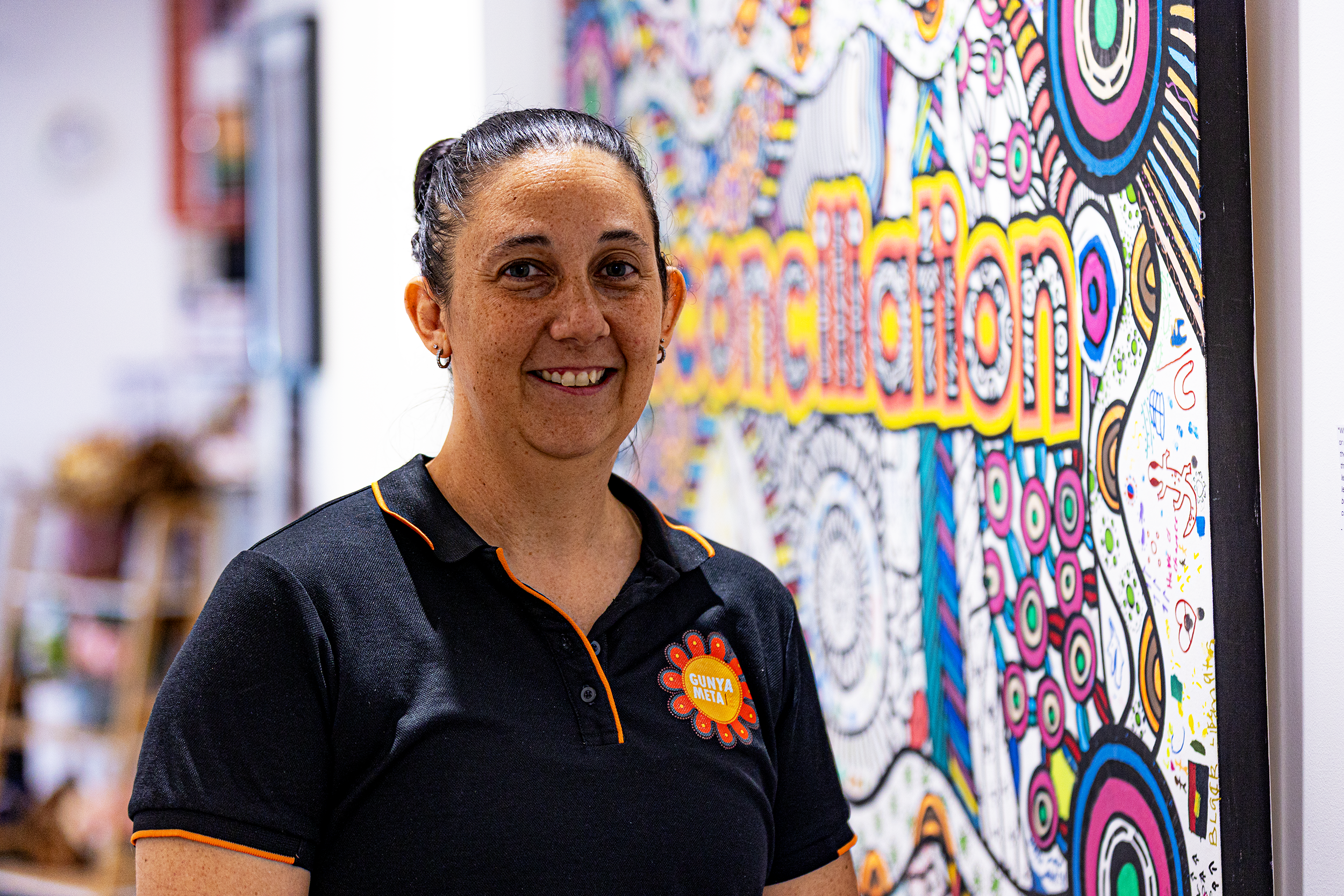
Janzell says that they can see the impacts of their programs when students show their leadership and pride. “With one of the Jarjums who is disengaged from school, we had just started a program in the school, and he was the first one to put his hand up and say I want to do acknowledgement in front of assembly. So that strength and that pride that we’ve installed in such a short time it’s just amazing.”
Some of those key takeaways from the Stronger Smarter Leadership Program are those high expectations. When we set a space and having those yarns with the kids and teaching them that because we want them to know that as well.
Janzell Bartlett, Community Partnership Officer
High-Expectations Relationships
Kodie attended the Stronger Smarter Leadership Program with Janzell and two other colleagues from Gunya Meta. She says they set themselves a ‘Stronger Smarter workplace challenge’ to create High-Expectations Relationships in the workplace and with the community. “To do that there’s a lot of steps”, she says. “We started with our staff because we have to have strong High-Expectations Relationships with our staff before we can go out and expect that of our community. If we can’t have it here, we can’t do it out there. We’re definitely seeing the changes. A lot of people are more open.”
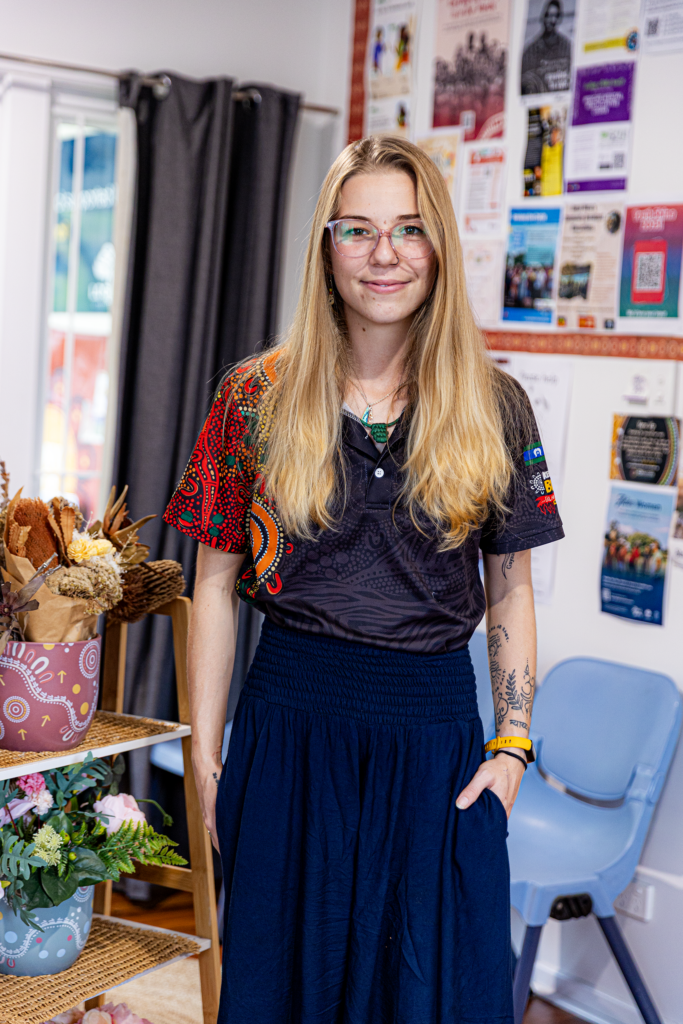 Kodie says that the relationships within their community partnerships have also become stronger since attending the Stronger Smarter Leadership Program. “We’re able to have that understanding of what those relationships should look like,” she says.
I think the most impactful thing was one of the quotes. If a person loses themselves in a role then they’re not able to have authentic relationships.
Kodie Tunley, Community Research Officer
Student Leadership
Kodie explains that when one the schools decided to discontinue the Gunya Meta program, three Year 11 and 12 students organised for a petition to be sent to the school principal. It took six months, but eventually the Gunya Meta program was reinstated in the school. “I sat down I had a yarn with them,” Kodie says. “It takes a lot of courage for Jarjums who are 16 or 17 years old to stand up to their school and go ‘this is something we need and we want’. They told me that Gunya Meta had impacted them because at the programs and the camps they felt seen and heard.”
Kodie says that one of Jarjums told her that he had been very shy, but the first Gunya Meta camp changed things for him. “He felt like he could be himself. He felt like he didn’t have to hide who he was and that he could feel proud to be Indigenous.”
Another of the Year 12 students said that without Gunya Meta she wouldn’t have gone to school on a Monday.
“So that’s the importance our programs,” Kodie says. “And to have the Jarjums fight for us to be reinstated into the school so they wouldn’t lose out on something that was really important to them shows that we’re putting a strong sense of self in them, a strong sense of identity and they’re willing to stand up.”
View more Alumni stories and Case studies here.
If you would like to implement the Stronger Smarter Approach at your school, join a Stronger Smarter Leadership Program.